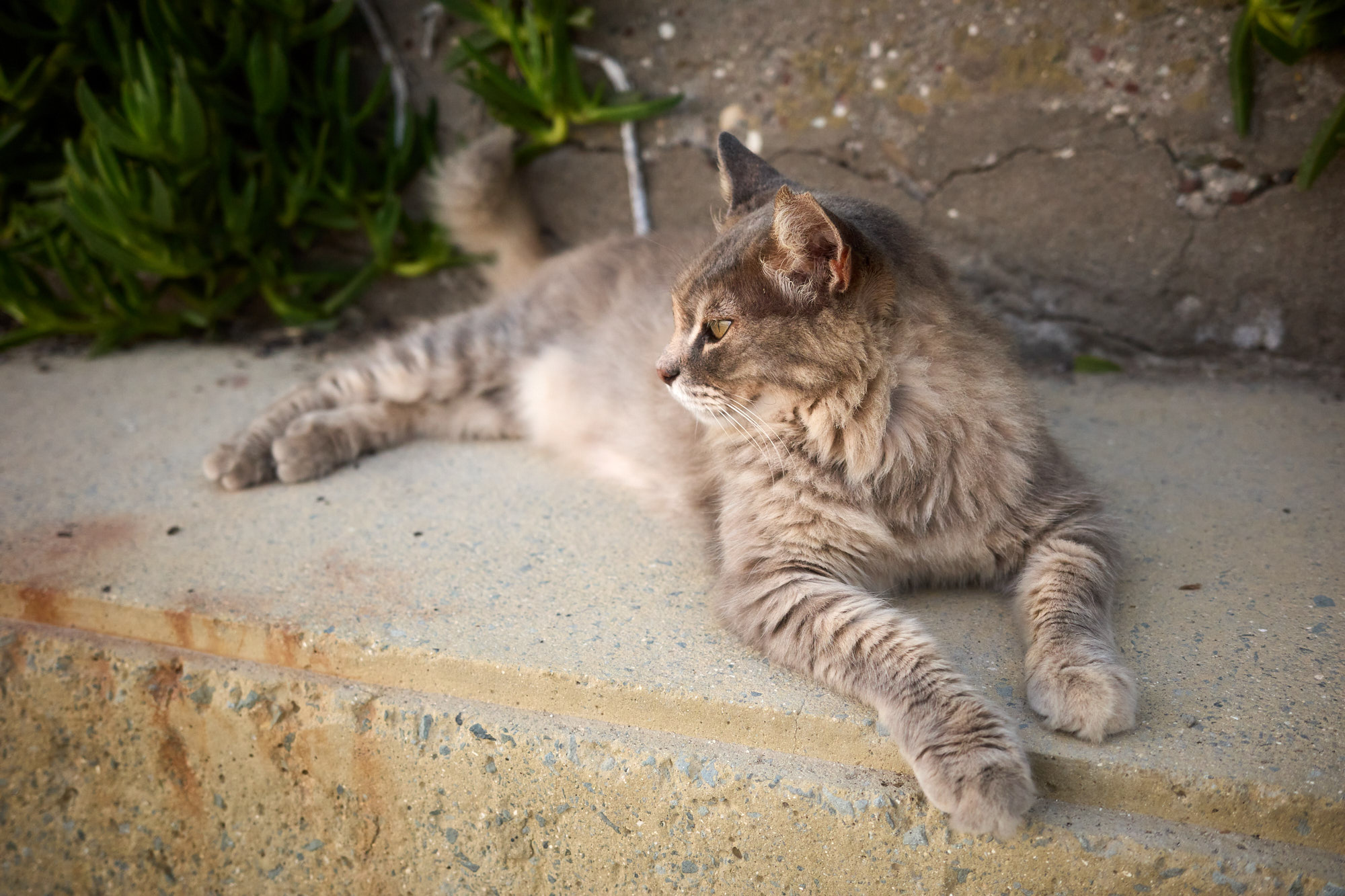
Step off the plane in Larnaca or Paphos, grab a seat at a seaside taverna, and within thirty seconds you’ll be greeted by Cyprus’s true native royalty. A sleek ginger tabby will stroll up to your table with the unflappable confidence of a Michelin guide inspector, glance at your grilled sea bass, and settle into the chair next to you as if he booked it weeks in advance.
Cyprus isn't just a Mediterranean island with nice beaches and halloumi—it is, quite literally, a feline superpower. Local estimates suggest there are roughly 1.5 million cats living here, easily outnumbering the human population of 1.2 million. But how did this sunny island become the cat capital of the world?
The answer isn't just about friendly locals feeding leftovers. It’s a 9,500-year saga involving ancient burials, royal decrees, venomous vipers, and a unique island culture that treats street cats not as strays, but as cherished neighbors.
01. The 9,500-Year Plot Twist: Rewriting Cat History
For decades, history textbooks insisted that the ancient Egyptians were the first humans to domesticate cats around 2000 BC. But in 2004, French archaeologist Jean-Denis Vigne dropped a bombshell on the academic world right here in southern Cyprus.
While excavating the Neolithic village of Shillourokambos, Vigne’s team uncovered a carefully preserved grave. Inside lay the skeleton of an 8-month-old wildcat (Felis silvestris), buried just 40 centimeters away from a human. The grave contained polished sea shells, flint tools, and turquoise beads—indicating a burial of deep respect and affection.
Carbon dating placed the grave at 7,500 BC—over 9,500 years ago. Because cats were not native to Cyprus, early stone-age settlers must have carried wildcats across the Mediterranean by boat. This single discovery pushed back the timeline of human-feline companionship by over 4,000 years, proving that people and cats were bonded in Cyprus long before the Pharaohs ever built a pyramid.
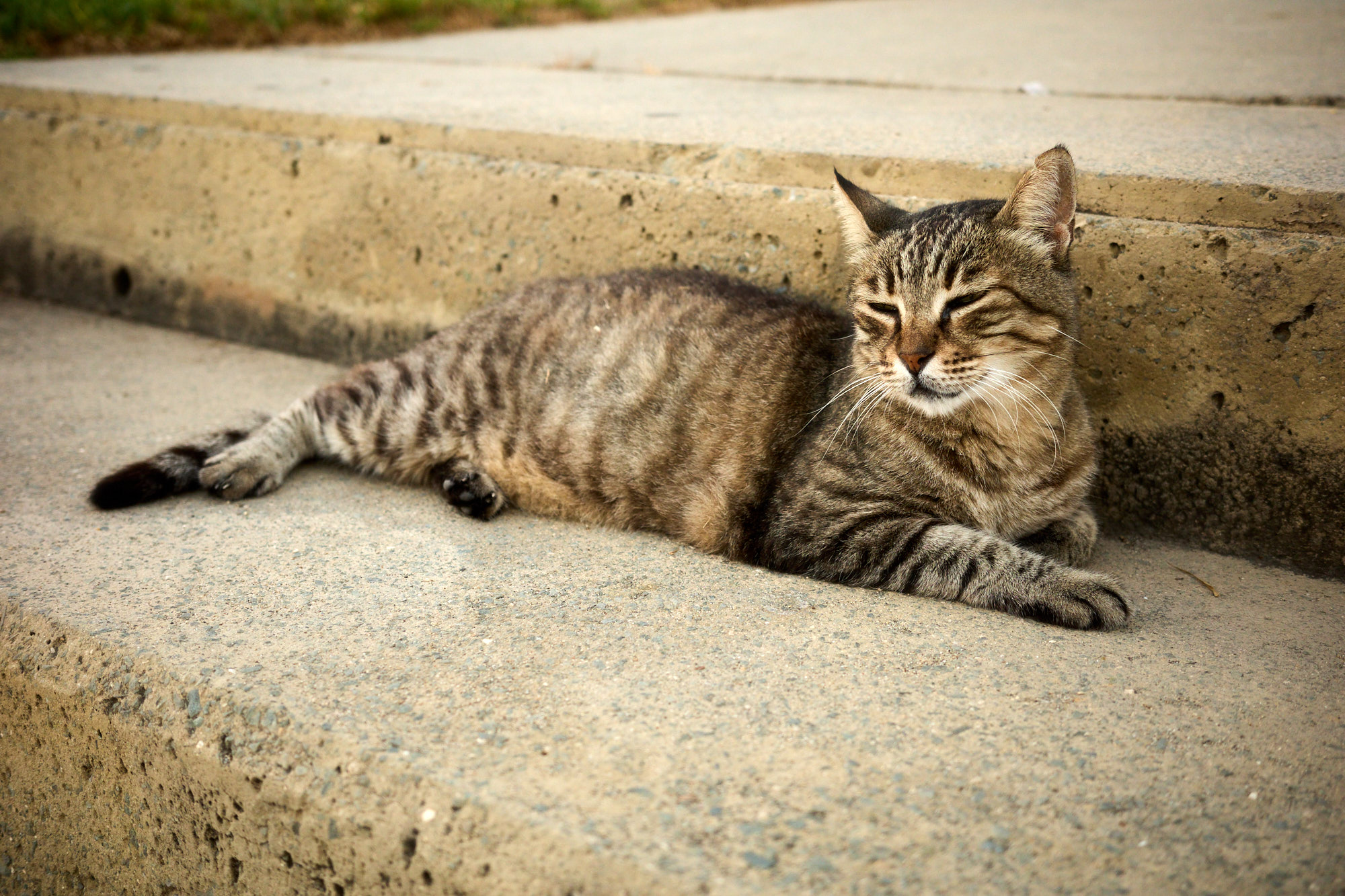
02. Saint Helena & Her Snake-Fighting Feline Army
If prehistoric farmers started the friendship, a 4th-century Roman Empress turned it into a national movement.
According to Byzantine tradition, a devastating 36-year drought struck Cyprus in 328 AD. As crops withered, venomous vipers multiplied at an alarming rate, making large parts of the island uninhabitable.
Enter Empress Helena (mother of Emperor Constantine the Great). On her return journey from the Holy Land, she witnessed the crisis and commanded a ship to bring over 1,000 cats from Egypt and Palestine to exterminate the snake infestation.
Helena posted the feline army at the Monastery of Saint Nicholas of the Cats (Agios Nikolaos ton Gaton) on the Akrotiri peninsula. According to legend, the monks rang a bell twice a day: once in the morning to send the cats out to battle snakes in the salt marshes, and once in the evening to call them back for dinner. Within a few years, the cats had secured the island, earning eternal gratitude from the Cypriot people.
“Twice a day the monastery bell rang—once to send a thousand cats into the marshes against the serpents, and once to call them home to rest.”
03. Why Do Cats Thrive in Cyprus Today?
Fast forward to the present day, and Cyprus remains a paradise for free-roaming felines. Several unique factors keep the population booming:
1. The Mediterranean Climate: With over 300 days of sunshine a year and mild winters, street cats don't face the freezing temperatures that limit stray populations in northern Europe.
2. Communal Island Hospitality: Cypriots view community cats as part of daily life rather than pests. You'll routinely spot water bowls, kibble trays, and custom wooden cat houses outside shops, tavernas, apartment buildings, and churches.
3. The Taverna Economy: Coastal restaurants and open-air cafés provide an endless supply of fresh fish scraps, chicken, and affection from animal-loving tourists.
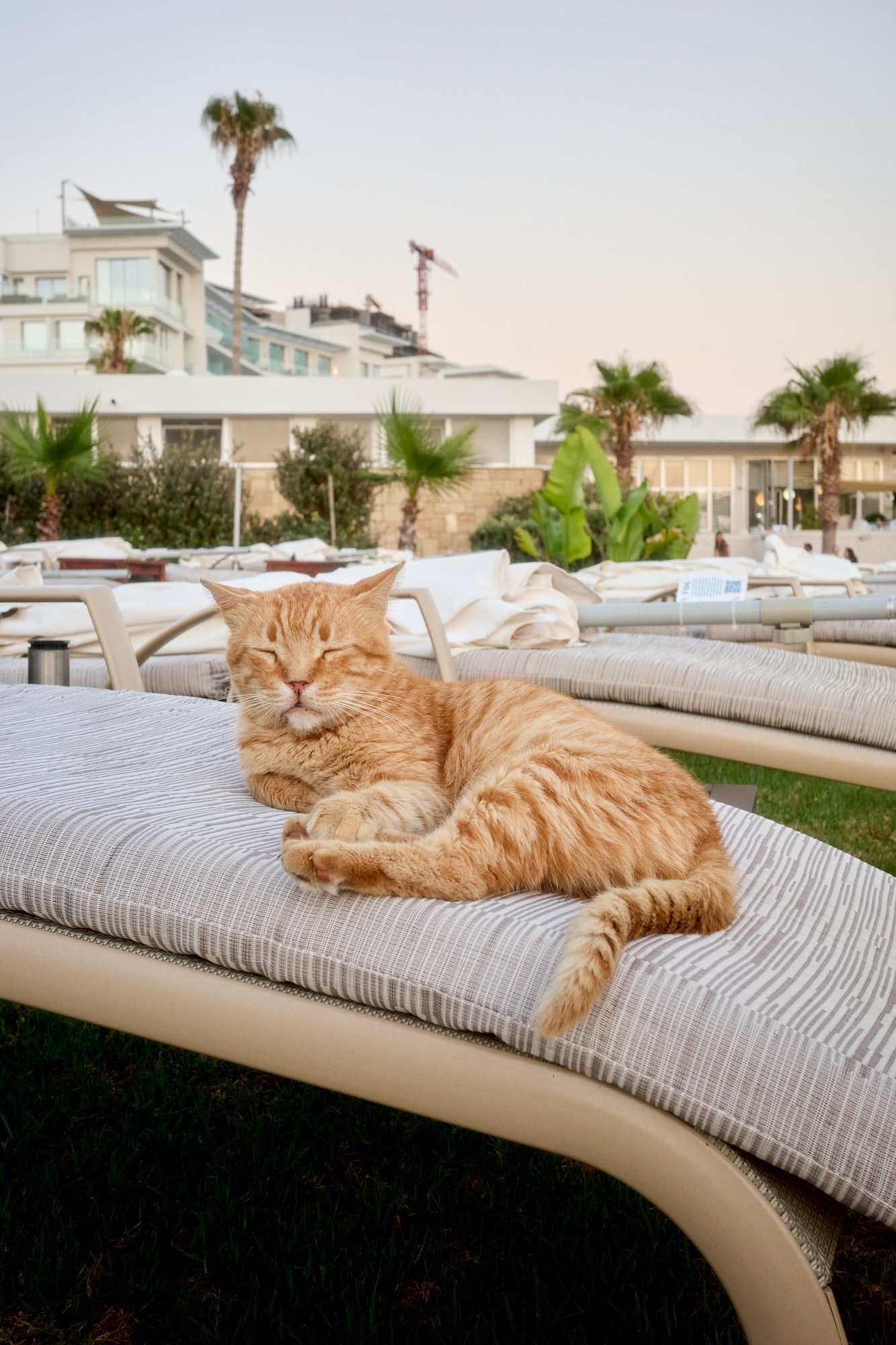
04. Meet the Native Island Breeds
Centuries of island isolation created distinct local breeds with unique characteristics:
The Aphrodite Giant: Native to the high Troodos mountains, these large, muscular cats developed long hind legs and a thick double coat to climb steep terrain and survive cool mountain nights. They are known for their gentle, dog-like devotion to humans.
The St. Helena Cat: Sleeker, athletic, and agile, these cats are descendants of the coastal snake-hunters. They come in almost every pattern, with striking almond-shaped eyes and curious personalities.
05. Tips for Visiting & Helping Cyprus Cats
If you’re traveling to Cyprus, meeting the local cats will likely be a highlight of your trip. Here is how to make your interactions safe and positive:
• Feed Responsibly: Offer dry cat food or fresh water in shaded spots away from busy traffic. Avoid feeding raw bones or heavily seasoned food.
• Visit a Cat Sanctuary: Check out renowned rescues like Tala Monastery Cat Sanctuary in Paphos or Malcolm’s Cat Sanctuary in Limassol. You can spend an afternoon cuddling hundreds of rescue cats or make a donation to help fund food and medical care.
• Support TNR Programs: Local rescue groups work tirelessly on Trap-Neuter-Return (TNR) initiatives to control population growth ethically and keep street cats healthy.
• Fallen in Love? Adopt! Many tourists end up falling for a specific stray. Local rescue charities can assist with vet checks, microchipping, rabies vaccines, and EU pet passport paperwork so you can bring your new best friend home safely.